Positive psychology is a relatively new discipline within psychology. For decades psychology has been used to advance theories uncovering and explaining hidden or below surface elements of our human behaviors. Psychology has predominantly been used to identify and diagnose troubling tendencies, investigating the dark corners of our minds. In the late 90s, Dr. Martin Seligman formalized the study of positive psychology, which is the “scientific study of optimal human functioning” (Linley et al., 2006, p. 8). Positive psychology can improve our health, wellbeing and quality of life.
Within positive psychology, Dr. Seligman constructed The PERMA model. This model stands out to me as a guide to approach life with a growth mindset, in a constant state of learning.
The PERMA model represents five aspects of human happiness: Positive Emotion, Engagement, Relationships, Meaning, and Accomplishments.
Mariana Pascha, Psychologist, BSc. authored The PERMA Model: Your Scientific Theory of Happiness, in it she explains each aspect of the model as detailed below.
Positive Emotions: “Focusing on positive emotions is more than smiling: it is the ability to remain optimistic and view one’s past, present, and future from a constructive perspective.” Pascha differentiates between pleasure and enjoyment, as both are tied to positive response. Pleasure is related to satisfying a basic bodily need, for example, it is a pleasure to eat a delicious meal or get a good night’s rest. Enjoyment goes deeper, it is the result of “intellectual stimulation and creativity.”
Engagement: “Activities that meet our need for engagement flood the body with positive neurotransmitters and hormones that elevate one’s sense of well-being.” Within engagement, flow can emerge. Mihaly Csikszentmihalyi was the first person to identify and research flow, he states, “The best moments in our lives are not the passive, receptive, relaxing times . . . The best moments usually occur if a person’s body or mind is stretched to its limits in a voluntary effort to accomplish something difficult and worthwhile.” To me, this is the feeling of losing track of time becoming immersed in an experience or activity that is joyfully energetic and fulfilling.
Relationships: As humans, we are social in our nature. We’ve made it this far in our evolution because of our relationships to one another that provide care and cooperation. There are many kinds of relationships, as Pascha shares, “we thrive on connections that promote love, intimacy, and a strong emotional and physical interaction with other humans. Positive relationships with one’s parents, siblings, peers, coworkers, and friends is a key ingredient to overall joy. Strong relationships also provide support in difficult times that require resilience.” I believe it’s important to consider both our long term sustained relationships as well as consider the everyday relationships we have, for example, the momentary encounter of sharing a smile with a stranger, or the brief exchange with a person in line next to us, etc. It is a feeling of connectedness.
Meaning: Pascha explains this as, “Having an answer as to ‘why are we on this earth?’ She notes that religion and spirituality may provide meaning, as well as “working for a good company, raising children, volunteering for a greater cause, and expressing ourselves creatively.” Too often, meaning is traded for material comforts. In a capitalist economy, we are conditioned to accumulate wealth equating this to happiness. However, true meaning comes from the heart, it is a resonance with our being. How can we find meaning? First consider what speaks to you and why. Does it make you feel spacious or constricted? Meaning creates a sense of spaciousness and peace from within, it can be a purpose or meaning can be found by simply living with presence in the moment.
Accomplishment: “Having accomplishments in life is important to push ourselves to thrive and flourish.” Often we think of accomplishment as reaching a goal, in which case an important note to make is to set goals that are attainable. To refer back to the concept of flow, seek out tasks or activities that are a balance between a challenge and our skill, this can induce a great sense of accomplishment. However, everyday accomplishments are also vital to acknowledge, for example, feeling a sense of accomplishment for going on a walk, eating a healthy meal, completing a set of exercises and on some days, simply resting is an accomplishment. Perhaps by being gentle and having compassion for ourselves, this could be the ultimate accomplishment.
After reviewing more about PERMA, it is likely that you knew all of this already. The PERMA Model just formalizes what we innately know is true, and that is the beauty of positive psychology, it rings true.
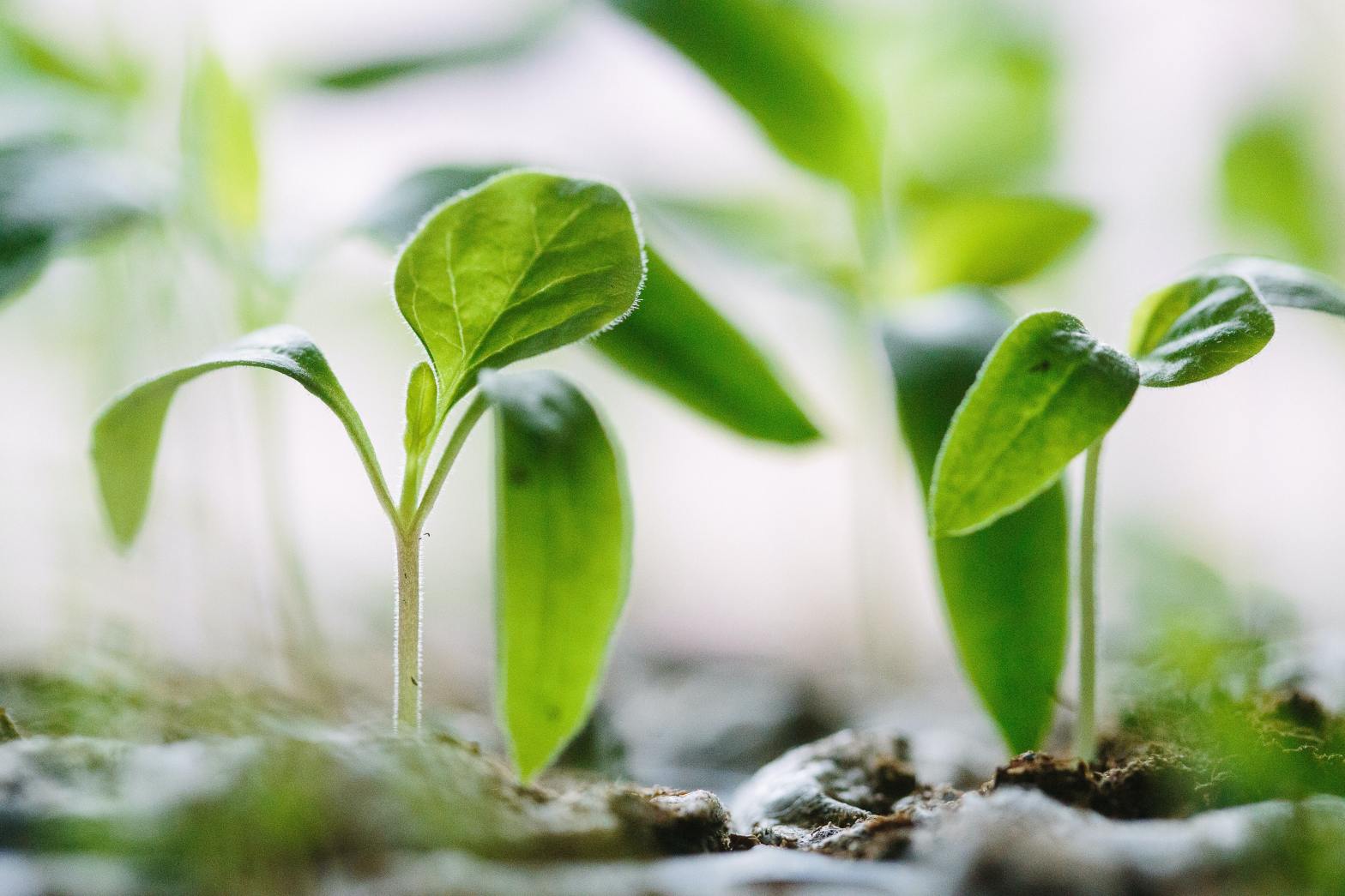
Photo by Francesco Gallarotti on Unsplash
 Learning to Create.