
In the wise words of psychologist and psychoanalyst, Carl Jung, one of life’s challenges is to develop the ability to hold the “tension of the opposites.” We are often pulled into binary thinking – good and bad, right and wrong, true and false. Having an internal compass to guide yourself toward your north star ofContinue reading “Tension of the opposites”
Category Archives: Paths to Learning
The art of the pause

Today’s technology, driven by social media, has created a culture of instant gratification and short-term attention hacking leading to addiction. And just as addiction does, it begins to shape other aspects of our lives. In particular, instant gratification and increasingly short-term attention spans shape the ways in which we learn by limiting our ability toContinue reading “The art of the pause”
Embracing rhythm
As I welcome autumn, I’m thinking about the rhythms of life through seasons and cycles, and how this is mirrored in early learning and development. In Waldorf early education, establishing a rhythm to each day is an essential grounding for the child. In the article, Waldorf Education: The Importance of Rhythm in Early Childhood authorContinue reading “Embracing rhythm”
Building a relationship with nature
When I worked as a caregiver in a child care and preschool setting in a high population dense city, we were fortunate to have a contained outdoor space. I use the word contained because even though there was a busy street just on the other side of the gate, the space felt distinctive and likeContinue reading “Building a relationship with nature”
Listening, being, and creating
The need to understand the child’s perspective is essential to supporting the child’s learning and development. First, we will explore why the child’s perspective is important and next discuss how to understand the child’s perspective through emergent listening, being with the child in the present moment, and discovering creativity. Importance of the child’s perspective SupportingContinue reading “Listening, being, and creating”
Quotes about play
The importance of play has long been known, yet it can be easy to lose sight of this when we discuss children’s education in terms of assessment and readiness. Allowing children the space and time to explore their inner worlds through play expands imagination and unlocks creativity. Play can be a channel to experience joy,Continue reading “Quotes about play”
Positive Psychology and the PERMA Model
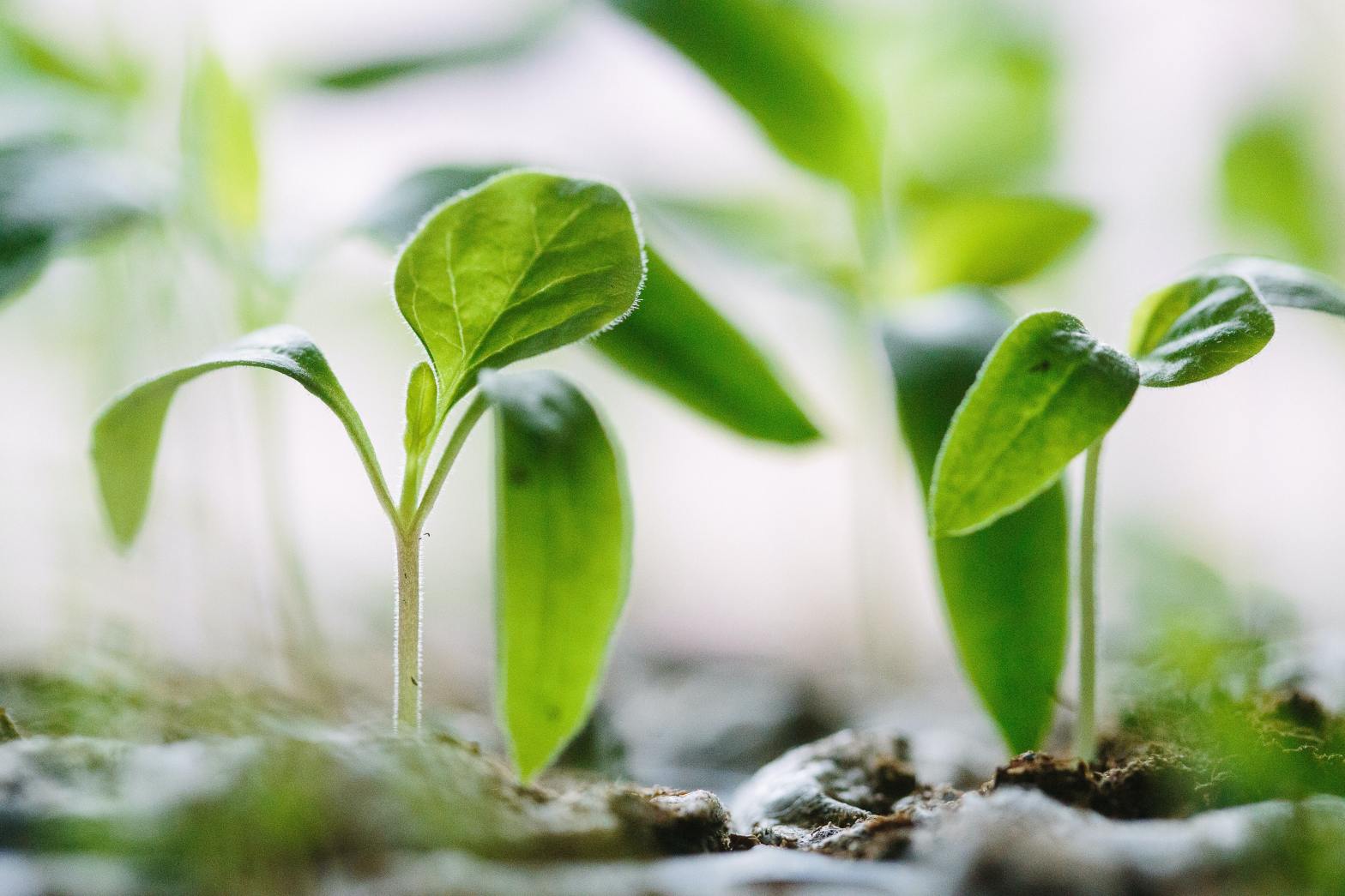
Positive psychology is a relatively new discipline within psychology. For decades psychology has been used to advance theories uncovering and explaining hidden or below surface elements of our human behaviors. Psychology has predominantly been used to identify and diagnose troubling tendencies, investigating the dark corners of our minds. In the late 90s, Dr. Martin SeligmanContinue reading “Positive Psychology and the PERMA Model”
Anji Play: Return the right of play to the child
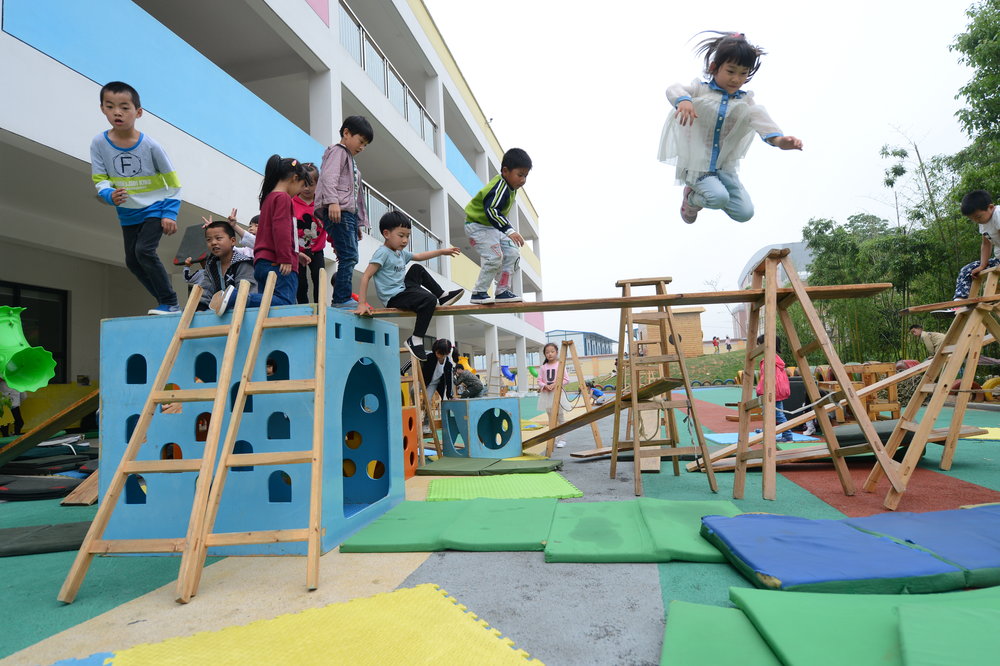
I recently discovered Anji Play through a classmate. I had first heard Anji Play referenced as highlighting the importance of risk in play. After researching more about Anji Play, watching some Youtube videos that show play in action, and listening to a speech by Ms. Cheng, the lead educator that has brought Anji Play toContinue reading “Anji Play: Return the right of play to the child”
Critical Pedagogy in early childhood

Critical pedagogy encourages students to ask questions that challenge dominant narratives. Critical pedagogy has the power to democratize education acting as a tool of liberation. Paulo Freire, a leader in critical pedagogy, provides depth and understanding in his book Pedagogy of the Oppressed. I am interested in how critical pedagogy can be supported through aContinue reading “Critical Pedagogy in early childhood”
Making learning visible
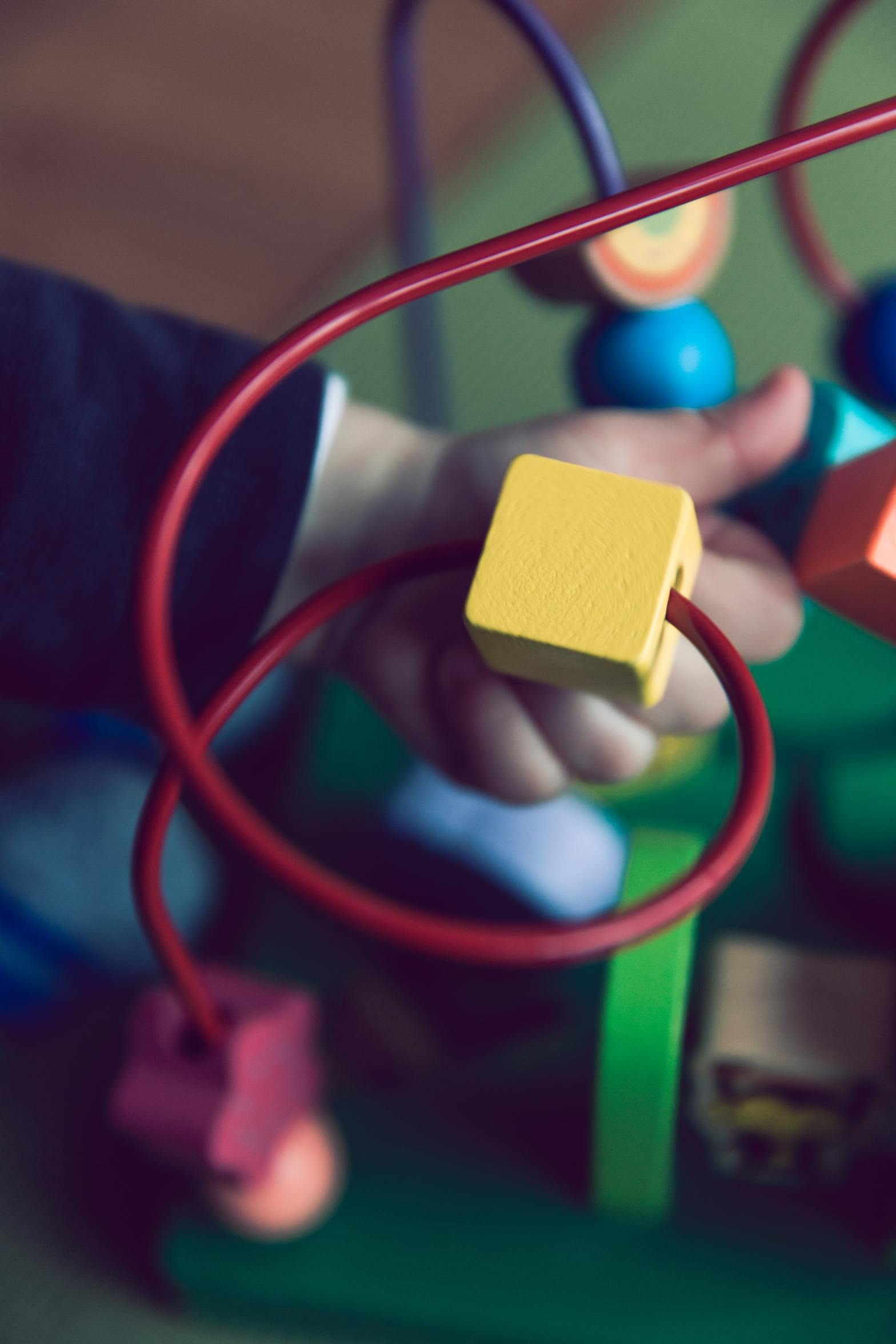
Lately I’ve been interested in the concept of documentation to trace and enhance learning prompted by the book Visible Learners: Promoting Reggio-Inspired Approaches in All Schools by Mara Krechevsky, Ben Mardell, Melissa Rivard, and Daniel Wilson. I found this book through Project Zero, a project within Harvard’s Graduate School of Education. Visible Learners is inspiredContinue reading “Making learning visible”
 Learning to Create.